
Blogs
AI Server Boom: Dell, HPE and Nvidia Riding The Wave
September 19, 2025
7 Cybersecurity Trends That Will Dominate in 2026
September 25, 2025
The cloud computing landscape is rapidly evolving and by 2026, businesses, organizations and individuals will be deeply intertwined with advanced cloud solutions. From hybrid architectures to AI-driven cloud services, staying ahead of these cloud trends is crucial for anyone looking to thrive in an increasingly digital-first world.
In this article, HOSTNOC will share top 10 cloud trends you cannot afford to ignore in 2026.
Table of Contents
Top 10 Cloud Trends You Can’t Afford to Ignore in 2026
Here are top ten cloud trends you can not afford to ignore in 2026.
1. The Rise of Hybrid and Multi-Cloud Environments
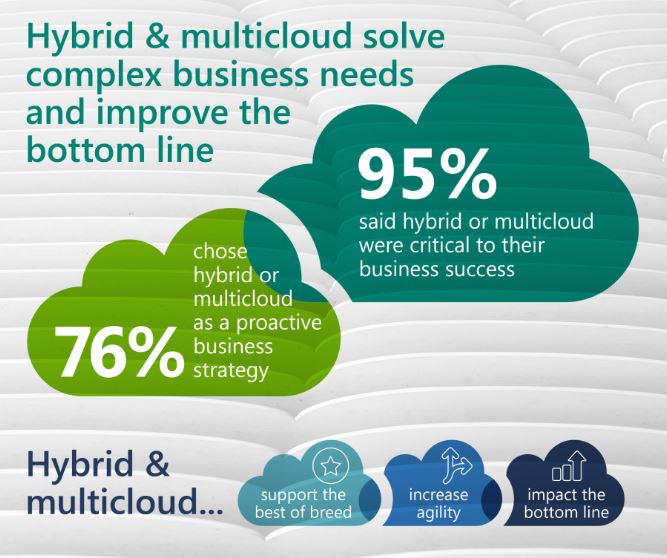
As organizations become more complex, the adoption of hybrid and multi-cloud strategies will continue to soar. According to Gartner, 75% of organizations will employ hybrid or multi-cloud strategies by 2026. This will enable flexibility, scalability, and risk mitigation. These cloud trends allowed companies to avoid vendor lock-in while optimizing workloads across private, public and multi-cloud environments. To manage these complex setups, businesses are turning to multi-cloud management platforms, which provide centralized control and visibility across all cloud environments.
“Organizations are increasingly seeking a flexible cloud environment that can span across public, private, and edge solutions. Hybrid and multi-cloud strategies are no longer a luxury; they are a necessity.” — Jay Heiser, Vice President Analyst at Gartner.
2. Cloud-Native Development and Microservices
Cloud-native development is revolutionizing how applications are built and deployed. Microservices allow for modular, flexible application structures that are highly scalable and fault-tolerant. By 2026, 90% of global organizations will adopt a cloud-native approach, according to Forrester Research.
The flexibility and scalability of microservices allow businesses to rapidly innovate, deploy features faster and scale applications based on demand without disrupting the entire system. According to Carlos Garcia, Chief Technology Officer at Amazon Web Services (AWS), “Microservices are the foundation for the future of cloud applications. With them, businesses can build resilient, agile systems that align with the needs of a constantly changing market.”
3. AI-Powered Cloud Services
The integration of artificial intelligence (AI) with cloud computing will become increasingly prominent. By 2026, artificial intelligence in the cloud will grow by 25% annually, driven by machine learning, data analytics and automated decision-making. Organizations are looking to leverage artificial intelligence for improving customer experiences, operational efficiency and predictive analytics.
“Artificial Intelligence in the cloud is transforming industries by providing deep insights that were previously impossible to obtain. It is the ultimate combination of scalability, flexibility and power.” — Dr. Haniyeh Rezaei, AI Specialist at Microsoft Azure.
4. Serverless Computing
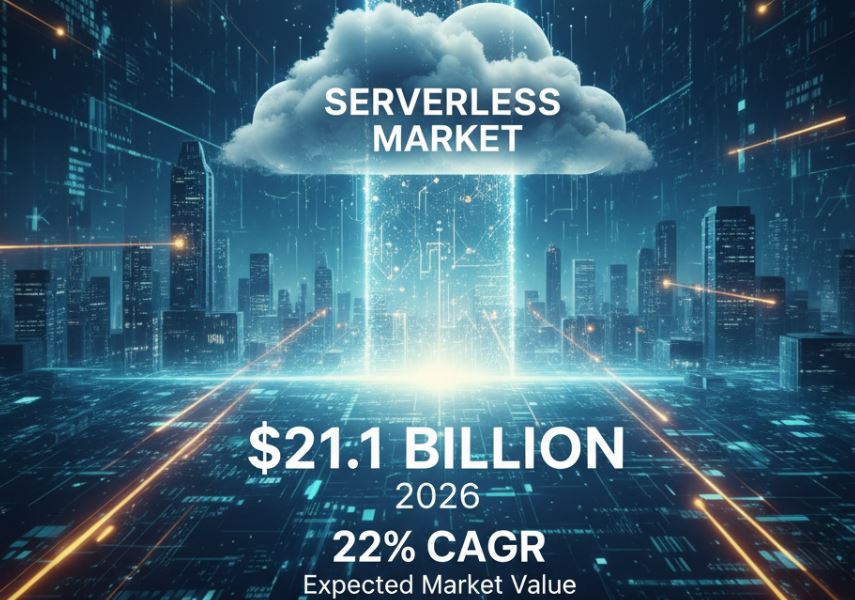
Serverless computing allows businesses to run applications without managing the infrastructure. By 2026, the serverless market is expected to reach $21.1 billion, growing at a compound annual growth rate of 22%. Serverless computing simplifies deployment by automatically scaling resources as needed, reducing operational complexity and improving cost-efficiency.
According to Tom Soderstrom, Chief Innovation Officer at NASA, “Serverless computing gives developers the freedom to focus purely on building applications without worrying about servers. This shift is accelerating innovation and driving businesses towards greater efficiency.”
5. Edge Computing in the Cloud
Edge computing is one of the most critical cloud trends driving the future of cloud computing. By 2026, the edge computing market will be valued at $43 billion. This trend involves processing data closer to where it’s generated (e.g., IoT devices), which reduces latency and enhances performance, especially in industries like manufacturing, healthcare and autonomous vehicles.
“Edge computing is the key to unlocking the true potential of the Internet of Things. It enables faster decision-making and enhances real-time capabilities, which is essential for industries requiring low-latency responses.” — Gregory O’Brien, Senior Research Analyst at IDC.
6. Cloud Security and Zero Trust Architectures
Cloud security is more crucial than ever and the shift to Zero Trust security models will dominate by 2026. The Zero Trust approach assumes that every user and device inside and outside the network is a potential threat. As businesses continue to face sophisticated cyber threats, investing in cloud-native security solutions and adopting Zero Trust principles will become a top priority.
Sarah Weisman, Cybersecurity Expert at Palo Alto Networks summed it up brilliantly when said, “Cybersecurity is not just about defense anymore; it is about a proactive, continuous approach. Zero Trust is the only way forward, especially with the increase in cloud reliance.”
7. Quantum Cloud Services
Quantum computing is one of the most important cloud trends for 2026. Quantum cloud services will enable organizations to leverage quantum computing power remotely, without investing in expensive hardware. Companies like IBM, Google and Microsoft are already developing quantum cloud platforms that will be accessible to industries ranging from pharmaceuticals to logistics.
“Quantum computing has the potential to solve problems in seconds that would take classical computers centuries. The cloud is poised to be the gateway to quantum access.” — Dr. John Hennessy, Chairman of Alphabet Inc.
8. Sustainable Cloud and Green Computing
Sustainability will be one of the top cloud trends in 2026. Companies are increasingly focusing on green cloud computing, using renewable energy sources and reducing carbon footprints. Green cloud adoption is projected to increase by 40% over the next decade, as consumers demand more environmentally-friendly practices from service providers.
According to Emily Thompson, Head of Sustainability at Google Cloud, “The cloud provides an opportunity to not only innovate but to do so sustainably. Using renewable energy in cloud data centers is a game-changer for businesses that are serious about reducing their environmental impact.”
9. Cloud Integration and Interoperability
As enterprises move towards hybrid and multi-cloud strategies, integration between different cloud services and on-premise systems will become paramount. By 2026, cloud interoperability platforms will be more advanced, allowing businesses to easily integrate various cloud solutions, data repositories and legacy systems without significant friction.
“In the coming years, seamless integration across platforms will be the backbone of digital transformation. Cloud interoperability is essential for businesses looking to streamline operations and maximize their cloud investments.” — William Foster, Lead Analyst at Forrester Research.
10. Cloud-Enabled Automation and DevOps
DevOps and cloud-enabled automation will continue to reshape IT operations in 2026. By automating repetitive tasks, deploying infrastructure as code and streamlining development pipelines, organizations will be able to reduce human error and improve productivity. Cloud platforms will continue to provide a rich set of tools for continuous integration and continuous delivery pipelines, enabling quicker time-to-market and higher-quality releases.
“Cloud-enabled DevOps practices allow organizations to scale faster while maintaining operational excellence. Automation is the key to achieving this balance.” — Susan Callahan, Director of DevOps Strategy at Red Hat.
Conclusion
The cloud landscape in 2026 is set to witness profound changes, driven by innovations in artificial intelligence, edge computing, serverless architectures and quantum computing. By embracing these cloud trends now, businesses can position themselves for greater agility, cost efficiency and competitive advantage.
From hybrid and multi-cloud strategies to quantum computing, these cloud trends offer unprecedented opportunities, those who keep a close eye on these developments will be the ones leading the charge. Embrace the future, adapt to these cloud trends and ensure your cloud strategy is future-ready. The future of the cloud is unfolding fast so don’t get left behind.
Which of these cloud trends will make the biggest impact in 2026? Share it with us in the comments section below.

Featured Post
Which Is The Best Cloud Service Type for Finance and Expense Tracking Solution?
Table of Contents Different Cloud Service Types Infrastructure-as-a-Service (IaaS): Platform-as-a-Service (PaaS): Software-as-a-Service (SaaS): Software as a Service: The Best Cloud Service Model for Finance and Expense […]

Muhammad Osama
April 30, 2025
6 Cloud Trends You Cannot Afford to Ignore in 2025
6 Cloud Trends computing is undergoing a paradigm shift and 2025 promises to bring even more groundbreaking changes. For businesses aiming to stay competitive and secure, […]
Muhammad Osama
September 24, 2024

How To Configure and Optimize PHP-FPM in the Cloud?
PHP-FPM (FastCGI Process Manager) is a robust and high-performance alternative to traditional CGI or mod_php for running PHP applications. When deploying PHP applications in the cloud, […]
Muhammad Osama
April 19, 2024






1 Comment
[…] Cloud-native applications are becoming the norm, enabling organizations to scale quickly and adapt to changing market demands. For a deeper look at these emerging directions, explore the “Top 10 Cloud Trends You Can’t Afford To Ignore In 2026”. […]