Blogs
Most Profitable Cloud Hosting Affiliate Programs in 2026
July 25, 2025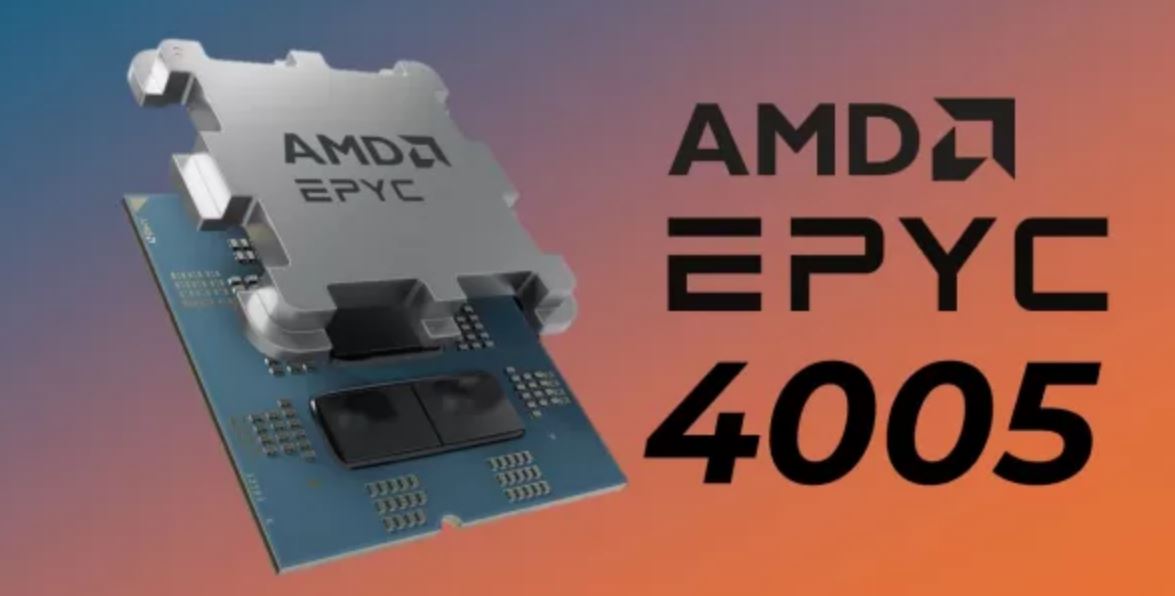
AMD Launches EPYC 4005 Series to Transform IT Services and Enterprise Cloud Deployments
July 29, 2025
on
Dedicated Server for Media: Why It’s Key for Content Delivery

As the demand for digital media such as videos, podcasts, live streaming and large multimedia files grows, media companies and content creators need a reliable and robust hosting solution. A dedicated server for media is one of the most powerful options to handle the heavy resource demands and high traffic often associated with delivering rich media content.
In this article, HOSTNOC will explore why a dedicated server is crucial for media hosting, the benefits it offers and how to choose the right server for your needs.
Why Do Media Businesses Need a Dedicated Server?
Media websites and platforms face unique challenges such as delivering high-quality video streaming, hosting large audio files, and providing fast downloads. A dedicated server for media is tailor-made to fulfill media needs and provides the server infrastructure needed to support these requirements.
Optimal Performance for Streaming and Downloads
Delivering media content requires significant computational power and bandwidth, especially when handling live streaming or high-definition video. A dedicated server allows you to maximize performance, ensuring that media files load quickly and play seamlessly.
This is particularly important for streaming services, video platforms, or websites hosting large media libraries. For instance, video buffering or delays can frustrate users and lead to a poor experience. A dedicated server for media can reduce latency and ensure that your audience can stream or download content without interruptions. To further optimize delivery and manage large volumes of media efficiently, leveraging video hosting platforms ensures reliable streaming, faster load times, and a smoother user experience.
Bandwidth and Storage Capacity
Media files are often large and consume a significant amount of bandwidth. A dedicated server gives you access to the full capacity of the server, meaning your media website can handle high traffic volumes and provide unlimited or high-bandwidth solutions without any limitations.
Dedicated servers are particularly suited for media platforms experiencing traffic surges, such as when releasing a viral video or during live-streamed events. They also offer extensive storage capacity, allowing you to host vast libraries of media content without running into storage constraints. To ensure smooth live video streaming, monitoring latency and buffering rates is crucial for maintaining viewer engagement.
Read more: HDD Dedicated Servers Vs SSD Dedicated Servers: Which One You Should Choose and Why?
Reliability and Uptime for Continuous Streaming
One of the key benefits of a dedicated server for media is its reliability. Media platforms cannot afford downtime, especially if they are live-streaming events or hosting time-sensitive content. Downtime leads to missed opportunities, loss of user trust, and ultimately lost revenue.
Dedicated servers provide superior uptime, often with Service Level Agreements (SLAs) that guarantee 99.99% availability. This means that your media platform will be online, operational, and available to users round the clock, making it ideal for businesses that need continuous content delivery.
Customization and Flexibility
Media platforms often require unique server configurations to optimize for streaming, encoding, or transcoding content. A dedicated server provides full control over the server environment, allowing you to install and configure the necessary software and applications.
For example, you may need to install video compression tools, media streaming servers (such as Wowza, NGINX, or Red5), or custom content management systems (CMS) tailored to media content. To further automate and scale optimization, integrating a Compress Video API enables efficient file size reduction without sacrificing quality, improving streaming performance, and faster delivery across content delivery networks (CDNs). With a dedicated server, you can customize the setup based on your exact requirements, ensuring that your infrastructure supports content delivery networks (CDNs), high-resolution video, and fast-loading content. Additionally, integrating digital asset management solutions can help organize, store, and efficiently retrieve your media files across your infrastructure.
Security for Protecting Media Content
Media websites often deal with copyrighted content and premium media, which makes security a top priority. A dedicated server gives you complete control over your security protocols. You can configure firewalls, SSL certificates, and encryption tools to protect both your content and your users’ data.
This is particularly important for platforms that offer subscription-based services or pay-per-view content, where ensuring content privacy and preventing unauthorized access is critical. Dedicated servers also provide better protection against DDoS attacks, which could disrupt media streaming or cause downtime.
Scalability for Growing Media Platforms
As your media platform grows and attracts more users, you will need the infrastructure to support increasing traffic and content delivery. A dedicated server is highly scalable, allowing you to upgrade resources such as CPU, memory, and storage as your media needs evolve.
For example, if you are running a live-streaming platform or launching a new media service, a dedicated server for media ensures that your platform remains responsive even during peak traffic periods. It also allows you to scale up when adding more media content or expanding into new regions without performance degradation.
Read more: Palworld Server Hosting: Everything You Need to Know
How to Choose the Best Dedicated Server for Media?
When selecting a dedicated server for media, it is essential to consider a few key factors to ensure that your hosting solution meets your performance and business goals.
1. Server Specifications
The server hardware, including processing power, memory (RAM), and storage, should be optimized for media-intensive applications. Media platforms that host HD or 4K video content require high-performance processors such as Intel Xeon or AMD EPYC to handle video encoding and streaming tasks.
Additionally, ensure your server has sufficient RAM (at least 32GB for medium-scale media sites) and storage (solid-state drives are recommended for faster access to media files).
2. Bandwidth Allocation
Media files are bandwidth-intensive; opt for a dedicated server for media that offers unlimited bandwidth or a high bandwidth cap to avoid slowdowns during peak traffic times.
3. Managed vs. Unmanaged Hosting
If you do not have an in-house IT team, a managed dedicated server might be the best option. With managed hosting, your provider handles server maintenance, security updates, and performance optimizations, allowing you to focus on your media business. An unmanaged server provides full control but requires technical expertise to manage.
4. Content Delivery Network (CDN) Integration
Media platforms benefit from integrating a content delivery network with a dedicated server. Content delivery networks distribute your media files across multiple servers globally, reducing load times and improving the user experience for viewers accessing your content from different regions.
Conclusion
A dedicated server for media is an ideal choice for media companies, content creators, and streaming platforms that require high performance, reliability, security, and scalability. It provides the resources needed to deliver rich media content without compromising on speed or user experience.
As media consumption continues to rise, having a dedicated infrastructure tailored to your media needs will ensure that your platform can handle traffic surges, deliver high-quality streams, and protect your content from security threats. While the initial investment in a dedicated server may be higher than other hosting solutions, the benefits, such as uninterrupted streaming, seamless downloads, and robust security, make it a valuable asset for any media business looking to grow and scale.
By choosing a dedicated server for media, you will be able to offer your audience the best possible streaming experience, while ensuring your platform is future-proofed for growth and innovation. Did this guide help you in choosing the best dedicated server for media? Share your feedback with us in the comments section below.
When every millisecond counts, only a dedicated server has your back.
Cores
RAM
Storage
Location
Monthly Price
Link
AMD Opteron 3365 2.3GHz 8c/8t
16 GB DDR3
2x 1 TB (HDD SATA)
Dusseldorf, Germany
$30.95 /month
Buy Now
Intel Atom C2750 2.4 GHz 8 cores
16GB DDR3
1 x 1TB HDD
Paris, France
$34.99 /month
Buy Now
Intel Xeon D-1531 2.2GHz 6c/12t
32 GB DDR4
2x 256 GB (SSD SATA)
Paris, France
$44.50 /month
Buy Now
Intel Core i7-4790K 4GHz 4c/8t
32 GB DDR3
2x 1 TB (HDD SATA)
Dusseldorf, Germany
$48.95 /month
Buy Now
Intel Xeon E3-1220 v2 or better 3.1 GHz 4c/4t
32 GB DDR3
2× 1 TB (SSD SATA)
Amsterdam, Netherlands
$56.95 /month
Buy Now
Intel X5670 2.93 GHZ - 12 Cores / 24 Threads
16GB DDR3
1 x 240 GB SSD
Florida
$74.99 /month
Buy Now

Muhammad Osama
Muhammad Osama a qualified professional with ground-breaking experience in developing SEO campaigns, analytics, and monitoring the ranking in Google search pages. A clear communicator with an experience of digital marketing and improving brand search ranks.
Featured Post
Dedicated Server For Government: Everything You Need to Know
In an era where digital transformation defines national competitiveness, governments around the world are investing heavily in resilient, secure, and scalable infrastructure. Among all infrastructure choices, […]

Sarmad Hasan
March 11, 2026
Dedicated Server with SSD: High-Performance Hosting for Mission-Critical Workloads
A Dedicated Server with SSD (Solid State Drive) is a premium hosting solution in which an entire physical server is allocated to a single user and […]
Sarmad Hasan
March 6, 2026
Dedicated Server with Backup: Everything You Need To Know
A Dedicated Server with backup is a high-performance hosting solution that combines exclusive physical server resources with robust data protection mechanisms. Unlike shared hosting or virtual […]
Sarmad Hasan
March 2, 2026