Blogs

What Is Localhost? Complete Guide to Master It (2026)
January 23, 2026
OpenAI Partners With Cerebras and Sign $10 Billion Compute Deal
January 28, 2026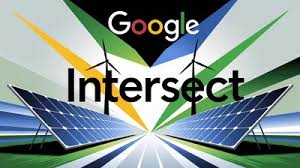
Google to acquire Intersect Power in the first half of 2026, accelerates Google’s efforts to meet soaring demand for computing power driven by generative AI, Google Cloud, and other data-intensive services. Intersect’s expertise in co-locating data centers with dedicated energy generation and multiple gigawatts of projects in development gives Alphabet a shortcut to secure both power and compute capacity simultaneously, a growing strategic challenge in the industry.
Table of Contents
Google to Acquire Intersect: Why the Deal Matters
Google and other hyperscalers are confronting a new infrastructure bottleneck. While data center construction can scale with investment, access to reliable, affordable energy — particularly where demand for electricity is surging — has emerged as a limiting factor for growth. Traditional reliance on utility grids has become less dependable amid rising AI workloads, permitting delays and strained interconnection queues.
Intersect’s model places generation alongside data center demand, integrating renewables, storage, and grid-scale power at the site level. This approach effectively eliminates utilities as a gatekeeper, reducing delays between site construction and power availability. The result: Google can bring online new data center capacity in lockstep with dedicated energy generation.
“Modern infrastructure is the linchpin of American competitiveness in AI,” said Intersect CEO and founder Sheldon Kimber, underscoring the shared vision with Google to push both energy innovation and data center expansion forward.
The Strategic Playbook: Power Meets Compute
Google to acquire Intersect Power. Here is how they will benefit from the acquisition.:
- Expanded capacity pipeline: Intersect brings “multiple gigawatts” of energy and data center projects already in development, including co-located facilities such as the site under construction in Haskell County, Texas.
- Energy independence: Owning generation assets and development expertise reduces Alphabet’s dependency on fluctuating utility timelines — a growing concern as AI power demands spike.
- Emerging technologies: Alphabet plans to leverage Intersect’s team to explore next-generation energy solutions, including advanced geothermal, long-duration storage, and cleaner thermal power with carbon capture.
- Cost and regulatory efficiency: Direct control over infrastructure helps Google bypass regulatory limits that can slow or block third-party power supply solutions, a factor noted by industry analysts.
This is part of a larger trend where hyperscalers are internalizing infrastructure challenges rather than outsourcing them. By combining energy and compute in one strategic vision, Alphabet aims not just to power its own services but to pioneer a scalable model for future growth.
Google to Acquire Intersect: Industry Context and Competitive Pressure
Google to acuire Intersect Power when there is growing infrastructure competition in the cloud and AI sectors. Rivals such as Amazon Web Services and Microsoft have also invested heavily in expanding data center footprints, with AWS alone committing billions to new facilities and cloud regions.
Google itself has signaled growing urgency around capacity. CEO Sundar Pichai has acknowledged that supply constraints are impacting cloud business growth, and that securing power availability is as critical as silicon and networking to support AI workloads at scale.
Google To Acquire Intersect Power: What’s Included In the Deal and What’s Not
While Alphabet will take over Intersect’s data center power development platform and team, some existing operating assets remain outside the deal. Projects in Texas and California tied to other investors including TPG Rise Climate and others — will continue independently. All future Intersect development pipeline projects under contract with Google will shift under Alphabet’s control.
Alphabet also retains Intersect’s leadership, with Kimber continuing to helm operations. The company will collaborate closely with Google’s technical infrastructure teams to ensure seamless project continuation.
Broader Energy and Sustainability Goals
Google’s infrastructure strategy increasingly ties energy planning with sustainability commitments. The company has contracted to add over 6,200 MW of new generation to power its operations in Texas alone through various partnerships — a testament to the scale of energy needed for modern cloud infrastructure.
The Intersect acquisition further signals that energy is no longer a peripheral concern but a core competitive lever in the cloud and AI era. By owning both power and data infrastructure, Alphabet aims to streamline expansion, reduce risk, and support 24/7 carbon-free energy targets. a complex but strategic goal as AI workloads grow.
Looking Ahead
As the transaction works its way through customary regulatory approvals, industry observers say this move will likely influence how data center and energy partnerships evolve across the tech sector. With compute power demand showing no signs of slowing, the integration of energy into infrastructure strategies may increasingly differentiate industry leaders from followers.
In this new landscape, power measured in megawatts as much as megahertz may well determine who wins the next phase of AI innovation. Google to Acquire Intersect Power. How will this move impact the industry? Share it with us in the comments section below.

Featured Post

Snowflake and OpenAI Seal $200M Strategic Alliance to Transform AI For Enterprise Data Platforms
Snowflake, the AI Data Cloud leader, and OpenAI this week announced a multi-year, $200 million strategic partnership that will bring advanced artificial intelligence models directly into […]

saad ullah
March 4, 2026

Cisco Live EMEA 2026: Powering the AI Era with Smarter Networks, Security, Collaboration and Agentic Intelligence
At Cisco Live EMEA 2026 in Amsterdam, Cisco unveiled a sweeping portfolio of innovations designed to transform enterprise infrastructure, secure AI-driven environments, and redefine workplace collaboration […]

Sarmad Hasan
February 25, 2026
Microsoft Unveils Maia 200 AI Chip to Take On AWS, Google and Nvidia in Cloud AI Race
Microsoft Unveils Maia 200 AI Chip to Take On AWS, Google and Nvidia in Cloud AI Race. Microsoft has officially launched its next-generation AI accelerator chip, […]
Sarmad Hasan
February 23, 2026