Blogs
Conan Exiles Server: A Complete Guide to Hosting
July 23, 2025
Most Profitable Cloud Hosting Affiliate Programs in 2026
July 25, 2025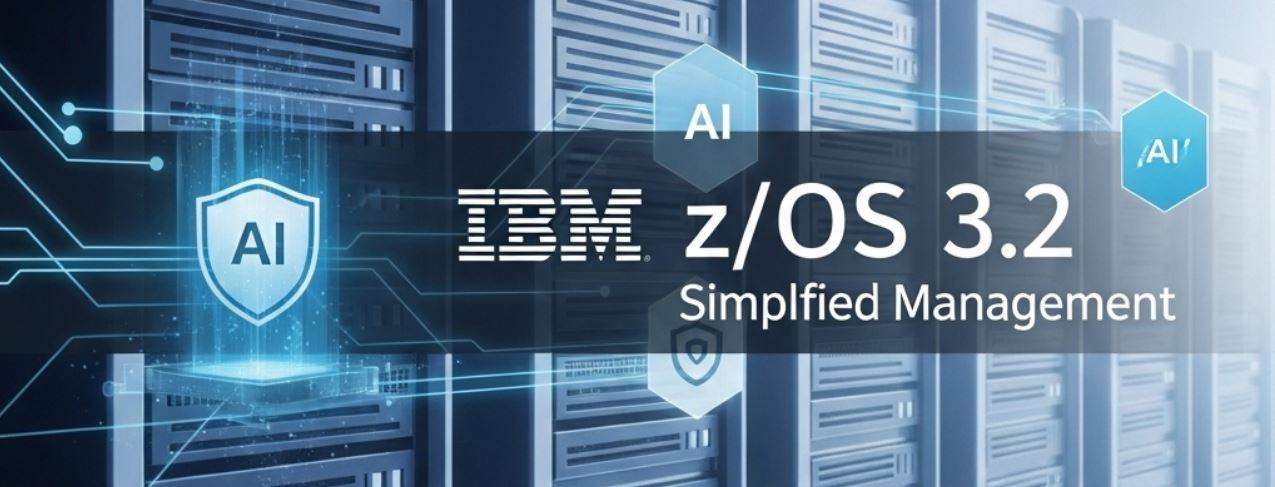
IBM unveils z/OS 3.2, an updated operating system designed to enhance the z17 mainframe portfolio. Available from September 30, the software brings new AI, security, and management capabilities, transforming how businesses use mainframes for mission-critical operations.
The z/OS 3.2 will work seamlessly with IBM’s cutting-edge z17 mainframe, featuring the powerful Telum II processor and a built-in AI accelerator. These innovations aim to bolster performance for AI-driven applications, improve hybrid cloud management, and fortify data security.
Table of Contents
IBM Unveils z/OS 3.2
IBM unveils z/OS 3.2 and here are some of its key features.
Advanced AI Features on Mainframes
A key highlight of z/OS 3.2 is its enhanced support for AI technologies. IBM’s z17 mainframe integrates the Telum II processor, operating at 5.5 GHz, with an AI accelerator capable of running 450 billion inferencing operations daily with one millisecond response time. This enables real-time AI inferencing and model execution directly on the mainframe, minimizing latency and eliminating the need to move sensitive data for analysis.
In addition to the embedded AI capabilities, the Spyre accelerator — a 32-core AI accelerator — will be available as an optional PCIe card by Q4 2025. This accelerator is designed to handle a variety of emerging AI workloads, including fraud detection, supply chain optimization, and automated decision-making, making it ideal for industries like financial services.
IBM has integrated these advancements through new AI frameworks on z/OS. The AI Framework for IBM z/OS improves data collection efficiency and streamlines the setup for AI workloads. An upgraded version of the AI-based Workload Manager (WLM) is also included, utilizing AI to predict workload spikes and automatically adjust resources for optimal batch job management.
Security Advancements for Mainframes
IBM unveils z/OS 3.2 with security at its main focus. The OS introduces support for quantum-safe algorithms aligned with the National Institute of Standards and Technology (NIST) guidelines. This prepares the platform to protect against future quantum computing threats while safeguarding transactions, data, and identity management.
Moreover, IBM Threat Detection for z/OS (TDz) brings new capabilities to detect potential security breaches using AI-driven behavior analytics. By monitoring for signs of insider threats, compromised credentials, and unauthorized access, TDz provides real-time alerts. A new quarantine feature in the Resource Access Control Facility (RACF) offers better control over suspicious activities by halting ongoing work and triggering system logs.
Streamlined Mainframe Operations
IBM unveils z/OS 3.2 to simplify mainframe operations, making it easier for enterprises to manage their systems while maintaining high performance. One significant change is the introduction of REST APIs across core systems, enabling better integration with modern cloud, web, and microservice applications. By automating routine tasks like batch jobs, CISC transactions, and storage management, businesses can reduce manual workload and improve efficiency.
The new APIs will also ease the onboarding process for new personnel, allowing users with little to no experience in mainframe programming to quickly familiarize themselves with complex mainframe environments. This is part of IBM’s broader effort to make the mainframe experience more accessible, particularly for organizations looking to recruit and train younger, less experienced talent.
Containerization and Hybrid Cloud Enhancements
The zCX (z/OS Container Extensions) feature has also been enhanced in z/OS 3.2. Customers can now run Linux-based Docker containers natively on z/OS, with costs significantly reduced as zCX is included in the base software package. Furthermore, IBM has improved networking within zCX, allowing for more efficient distribution of network traffic across multiple containers. This eliminates the need for an external load balancer, streamlining operations and reducing infrastructure complexity.
Another notable update is the integration of Red Hat OpenShift Container Platform (RHOCP), which can now run directly on zCX. This makes the IBM mainframe an essential player in microservices deployments, providing customers with greater flexibility in their hybrid cloud environments.
Simplified Management and Future-Proofing
IBM unveils z/OS 3.2 to future-proof its environment, integrate it with its quantum-safe algorithms and systems to better align with emerging technologies. By embedding these features directly into the mainframe’s architecture, IBM ensures that businesses will be able to withstand the challenges of next-generation computing while still leveraging the mainframe’s unmatched processing power.
“The mainframe continues to be a critical platform for enterprises, with over 95% of banks and 70% of Fortune 500 companies relying on it for high-volume, high-security data processing,” said Kelly Ryan, IBM’s Vice President of Z and LinuxONE Operating Systems. “AI on the mainframe is key to unlocking the future of mission-critical workloads, and z/OS 3.2 is engineered to bring these capabilities securely and efficiently to our customers.”
Conclusion
With the introduction of z/OS 3.2, IBM continues to evolve the mainframe, blending AI, security, and operational simplicity to help businesses tackle modern challenges. From AI-powered workload management to enhanced security features and greater containerization support, IBM is positioning the z17 mainframe as a hybrid cloud powerhouse capable of supporting the most demanding workloads of the future.

Featured Post

Snowflake and OpenAI Seal $200M Strategic Alliance to Transform AI For Enterprise Data Platforms
Snowflake, the AI Data Cloud leader, and OpenAI this week announced a multi-year, $200 million strategic partnership that will bring advanced artificial intelligence models directly into […]

saad ullah
March 4, 2026
Cisco Live EMEA 2026: Powering the AI Era with Smarter Networks, Security, Collaboration and Agentic Intelligence
At Cisco Live EMEA 2026 in Amsterdam, Cisco unveiled a sweeping portfolio of innovations designed to transform enterprise infrastructure, secure AI-driven environments, and redefine workplace collaboration […]

Sarmad Hasan
February 25, 2026
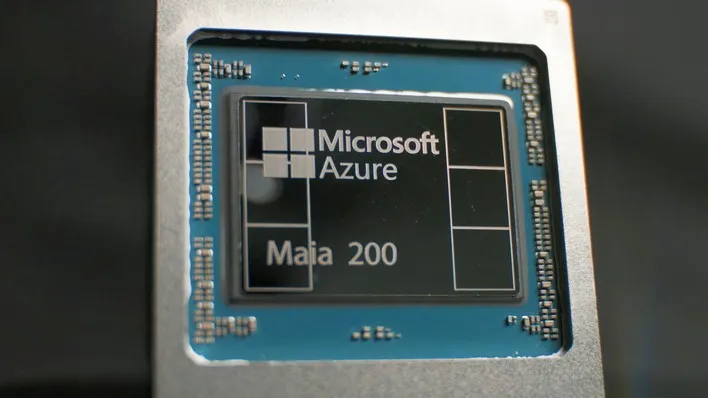
Microsoft Unveils Maia 200 AI Chip to Take On AWS, Google and Nvidia in Cloud AI Race
Microsoft Unveils Maia 200 AI Chip to Take On AWS, Google and Nvidia in Cloud AI Race. Microsoft has officially launched its next-generation AI accelerator chip, […]
Sarmad Hasan
February 23, 2026