Blogs

7 Cybersecurity Trends That Will Dominate in 2026
September 25, 2025
5 Common Negative Consequences of Downtime For Businesses
September 30, 2025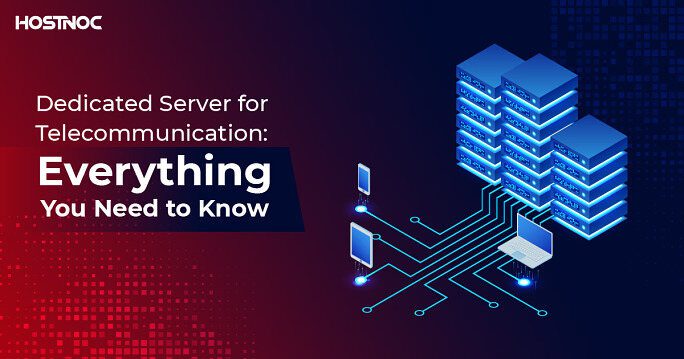
Reliable communication and seamless connectivity are essential for the telecommunication industry and infrastructure plays a crucial role in ensuring quality service. One of the most integral components of this infrastructure is the dedicated server. A dedicated server for telecommunication offers a stable, secure and scalable environment to manage voice, data and video traffic efficiently.
In this article, HOSTNOC will delve into everything you need to know about dedicated server for telecommunication sector, exploring their benefits, features, use cases and considerations for selecting the right server for your telecommunication needs.
Table of Contents
- What is a Dedicated Server for Telecommunication?
- Why Do Telecommunication Companies Need Dedicated Servers?
- 3. Key Features of Dedicated Server for Telecommunication
- 4. Use Cases of Dedicated Server For Telecommunication
- 5. Choosing the Right Dedicated Server for Telecommunication
- 6. Benefits of Dedicated Server For Telecommunication
- 7. Challenges of Using Dedicated Server for Telecommunication
- Conclusion
What is a Dedicated Server for Telecommunication?
A dedicated server is a physical server allocated exclusively to a single client or organization. In the context of telecommunication, these servers are primarily used to handle large volumes of real-time communication data such as voice calls, video conferencing, messaging and data exchange.
Unlike shared hosting or cloud-based solutions, where resources are divided among multiple clients, a dedicated server offers full control, customization and optimal performance. This makes it ideal for businesses that require high reliability, enhanced security and guaranteed uptime, critical components in the telecommunication industry.
Why Do Telecommunication Companies Need Dedicated Servers?
Telecommunication companies, whether they provide internet services, VoIP (Voice over Internet Protocol), or mobile networks, face unique challenges when it comes to infrastructure. Here are a few reasons why dedicated server for telecommunication can save their day.
a. High Traffic Volume and Bandwidth Needs
Telecom services require significant bandwidth to accommodate large-scale communication needs. Dedicated servers offer the bandwidth and resources to handle large volumes of data without degradation in performance.
b. Low Latency
In telecommunication, low latency is crucial, particularly for real-time communication services like voice and video. A dedicated server allows for optimized network routing, reducing lag and delays, ensuring smooth communication between parties.
c. Security and Compliance
Telecommunication companies are required to meet stringent security standards, often involving regulatory compliance (e.g., GDPR, HIPAA). A dedicated server offers a higher level of security control, including private firewalls, DDoS protection, and encryption options to safeguard sensitive communication data.
d. Customization and Control
Dedicated servers allow telecom companies to tailor the infrastructure to their exact needs, whether it’s for hosting a large-scale VoIP system, running a customer support platform, or managing network routing services.
e. Reliability and Uptime
Telecommunication services must run 24/7 without failure. Dedicated servers, when well-maintained, offer superior uptime compared to shared hosting solutions, ensuring continuous and uninterrupted service for customers.
3. Key Features of Dedicated Server for Telecommunication
Dedicated servers for telecommunication has several features that make them ideal for telecommunication services. Here are the primary features:
a. High-Performance Hardware
- CPU: High-performance processors (often multi-core or dedicated CPUs) to handle complex real-time communication processes.
- RAM: Sufficient memory to handle concurrent connections and data processing in real-time.
- Storage: Fast storage solutions such as SSDs (Solid State Drives) for rapid data retrieval, especially important for managing media content like voice and video.
b. Bandwidth and Network Connectivity
Telecom services often require high bandwidth and low latency. Dedicated servers provide unshared, high-speed internet connections that ensure seamless communication services, even with heavy traffic loads.
c. Redundancy and Load Balancing
To avoid service disruptions, dedicated servers often come with redundancy options (e.g., RAID configurations for storage redundancy) and support for load balancing, which distributes traffic evenly across multiple servers.
d. Security Features
Dedicated servers for telecommunication typically include robust security options such as firewalls, DDoS mitigation, data encryption, VPN (Virtual Private Network) capabilities, and intrusion detection systems to protect sensitive data and services.
e. Operating System and Software Customization
Telecommunication companies often run proprietary software or specialized telephony systems (such as Asterisk or FreeSWITCH). Dedicated servers provide full control over the choice of operating systems (Linux, Windows) and the ability to install and configure software according to specific needs.
4. Use Cases of Dedicated Server For Telecommunication
Here are some use cases of dedicated server for telecommunication
a. VoIP and SIP Hosting
Voice over IP (VoIP) technology allows communication through the internet rather than traditional telephone networks. Telecommunication companies hosting VoIP services require dedicated servers to ensure high-quality voice calls, minimal latency, and reliable service. Session Initiation Protocol (SIP) servers, used to manage communication sessions, are typically hosted on dedicated servers for optimal performance.
b. Data Routing and Network Infrastructure
Telecom providers use dedicated servers to manage and route data traffic efficiently across networks. These servers play a vital role in ensuring that voice, data, and video communications are transmitted quickly and securely.
c. Video Conferencing
With video conferencing becoming a staple in business and personal communications, telecommunication providers hosting video call services require dedicated servers to handle high bandwidth and ensure stable video and audio quality. Low latency and high security are particularly important in this use case.
d. Hosted PBX Solutions
A Private Branch Exchange system allows businesses to manage internal communication networks. For telecom providers offering hosted PBX services, dedicated servers are essential for ensuring reliability, managing user connections, and handling complex voice call routing.
e. Data Centers and Cloud Hosting for Telecom
Telecommunication companies often need to maintain their own data centers or offer cloud hosting services to their clients. A dedicated server can provide the foundation for scalable, secure, and high-performance cloud solutions.
5. Choosing the Right Dedicated Server for Telecommunication
When selecting a dedicated server for telecommunication purposes, several factors must be considered:
a. Performance Requirements
Ensure the server has the required hardware specifications, such as sufficient RAM, CPU processing power, and storage, to handle your telecommunications workload. Consider the scalability options available if your needs grow.
b. Network Capacity and Latency
For telecommunication applications, network performance is paramount. Choose a dedicated server with high-bandwidth capacity and low latency to minimize communication delays.
c. Security
Telecommunications involve sensitive data, so opt for a provider that offers comprehensive security features, including SSL certificates, firewalls, DDoS protection, and data encryption.
d. Compliance and Regulatory Support
Telecom providers must comply with various regulations (e.g., GDPR, HIPAA). Choose a server provider that ensures compliance and supports your security requirements.
e. Support and Maintenance
Opt for a dedicated server provider with 24/7 technical support and proactive maintenance to ensure your infrastructure remains operational and optimized.
6. Benefits of Dedicated Server For Telecommunication
Here are some advantages of using dedicated server for telecommunication industry:
- Reliability: Guaranteed uptime and minimal risk of service disruptions.
- Scalability: Easily upgrade hardware and software to accommodate growth.
- Performance: Superior speed, reduced latency, and optimal resource allocation.
- Security: Advanced security protocols protect sensitive data from breaches.
- Customization: Tailor the server environment to fit specific needs of telecom services.
7. Challenges of Using Dedicated Server for Telecommunication
While dedicated servers offer several advantages, there are also challenges that need to be considered:
- Cost: Dedicated servers tend to be more expensive compared to shared or cloud-based hosting.
- Maintenance: Ongoing maintenance and updates are required to ensure optimal performance and security.
- Scalability: While scalable, dedicated servers may not offer the same level of flexibility as cloud infrastructure when sudden, unpredictable spikes in demand occur.
Conclusion
A dedicated server is an essential tool for telecommunication companies looking to provide fast, secure, and reliable services to their customers. Whether hosting VoIP, managing video calls, or running complex data networks, dedicated servers provide the necessary infrastructure to ensure high performance, low latency, and robust security. By understanding the various factors involved in selecting the right server, companies can optimize their operations and continue to meet the growing demands of the telecommunication industry.
By leveraging dedicated server for telecommunication, telecom providers can remain competitive in an industry that demands constant connectivity and top-notch service reliability.

Featured Post

Dedicated Server With GPUs: The Ultimate Guide
There are various types of servers, each designed to cater to different workloads and use cases. Among these, dedicated server with GPU (Graphics Processing Unit) have […]

Sarmad Hasan
November 12, 2025
Server Deployment: The Ultimate Guide
Server deployment is the process of making an application, website, or system available for use by installing, configuring, and running it on a server (physical or […]
Sarmad Hasan
November 3, 2025
Server Network: The Ultimate Guide
A server network is the backbone of modern business IT infrastructure, enabling communication between different devices, services, and systems. Whether for a small business, an enterprise, […]
Sarmad Hasan
October 30, 2025