Blogs

Cloud Gaming: The New Wave That Is About To Take The Gaming Industry By Storm
July 25, 2022
Bare Metal Server or Virtual Server: Which One Should You Choose and Why?
September 27, 2022
on
Vendor Management: Ultimate Guide To Secure The Best Bargain
According to vendor management statistics, 87% of businesses have had a disruptive incident with a third-party vendor within the last three years. 82% of organizations are not confident that they have identified all the third party risks. What’s even worse is that 74% of organizations are unaware of the vendors and third parties that handle their personally identifiable information. Only 40% of organizations have a mature vendor risk management process in place.
It does not end here. 60% of companies admit that they lack the resources to monitor the security and privacy practices followed by vendors and don’t even know who they share their information with. 23% of organizations don’t even monitor third parties.
That is why they usually become a victim of third-party attacks which are not only more costly but also cause more damage. In fact, each compromised record costs $13 more in a third-party data breach as compared to an in-house data breach.
In this article, you will learn everything you need to know about vendor management.
Table of Contents
- What is Vendor Management?
- What is the Vendor Management Process?
- Advantages of Vendor Management
- Why is Vendor Management Important?
- What are the Biggest Vendor Management Challenges?
- How Does Vendor Management Connect with Project Management?
- What is a Vendor Management System?
- What are Vendor Management Best Practices?
- Vendor Management Certifications and Skills
- Vendor Management Software
- Vendor Management Certifications
What is Vendor Management?
Vendor management is the process of managing vendors and maintaining healthy business relationships with third-party suppliers. It includes everything from selecting the right vendor, negotiating contracts, monitoring performance, ensuring compliance, and reducing risks.
In simple words, vendor management helps businesses manage vendors efficiently so they can cut costs, improve service quality, and achieve long-term business goals.
Looking for related solutions? Explore our server management services to ensure smooth IT operations alongside effective vendor handling.
What is the Vendor Management Process?
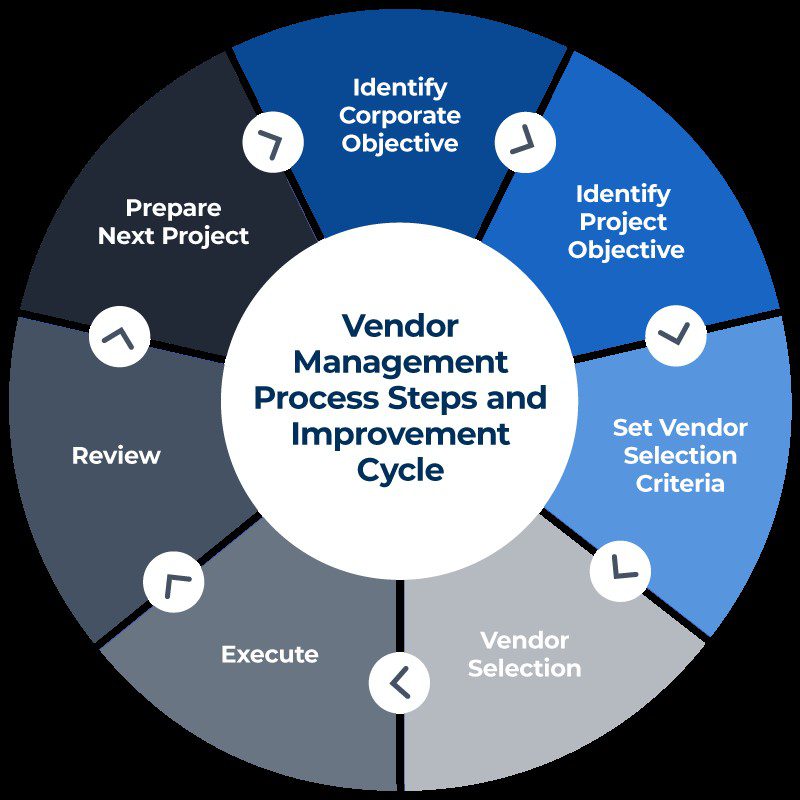
A vendor management process is a structured approach that guides businesses on how to manage vendors effectively. Here’s a simplified step-by-step vendor management guide:
- Identify your business goals
- Build a vendor management team
- Define vendor selection criteria
- Maintain a vendor information database
- Draft and sign vendor contracts
- Monitor vendor performance
This vendor management guide ensures that every vendor relationship aligns with your organizational objectives.
Advantages of Vendor Management
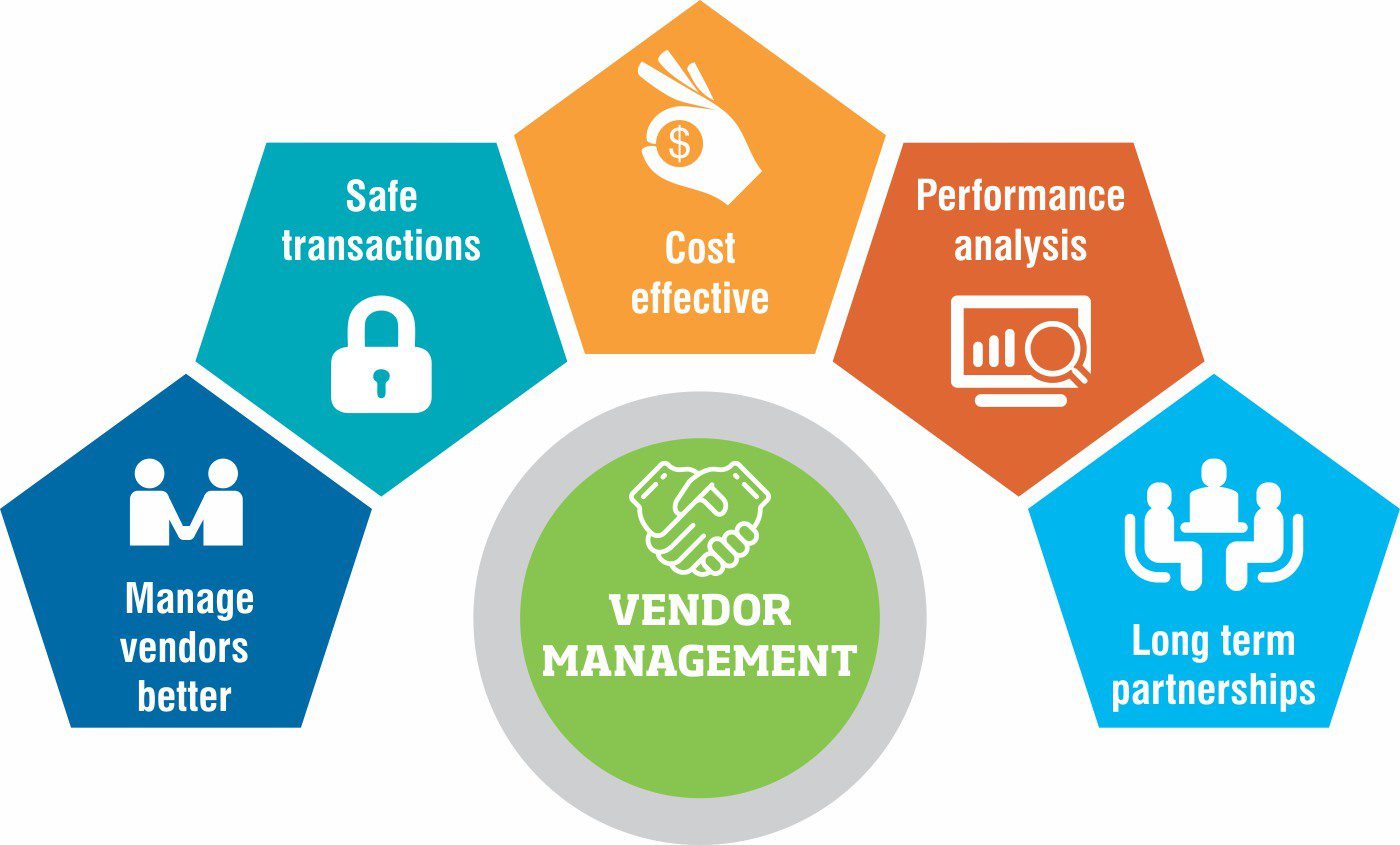
There are many advantages of efficient vendor management. Some of them are as follows:
-
-
- Better relationships with vendors.
- Ensures IT governance and compliance
- Mitigate vendor management risk
- Save money
- Performance management
-
Why is Vendor Management Important?
An effective vendor management system ensures:
- Stronger vendor relationships
- Cost savings and better deals
- Reduced risks through compliance checks
- Better performance monitoring
- Smooth business continuity
Without proper management, organizations face severe risks such as data breaches, compliance failures, and financial losses.
For instance, businesses dealing with IT partners can also face challenges with cloud and server operations. If that’s your case, check our guide on cloud computing essentials and server performance issues to stay ahead.
What are the Biggest Vendor Management Challenges?
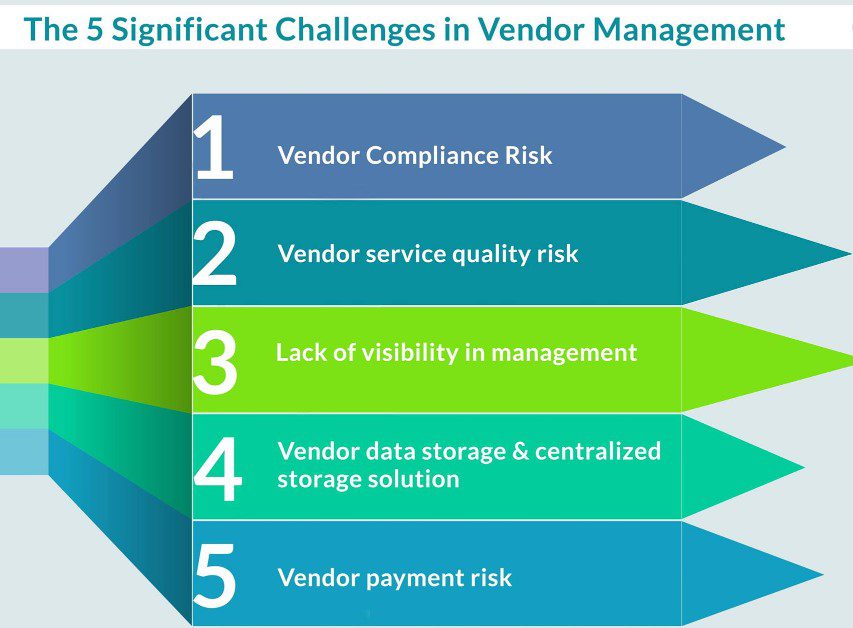
Businesses face multiple vendor management challenges, including:
- Lack of visibility into vendor operations
- Difficulty ensuring compliance
- Complicated payment processes
- Vendor reputation risks
- Poor data storage and security
One of the most common challenges in vendor management is limited access to vendor practices, which makes risk assessment harder. Businesses also struggle to verify where data is stored and how it’s processed.
To avoid these issues, learn the differences between single vendor outsourcing vs multi-vendor outsourcing before finalizing contracts.
How Does Vendor Management Connect with Project Management?
Vendor management and project management often go hand in hand. For large organizations, setting up a vendor management office (VMO) works just like a project management office. The VMO oversees the entire vendor management process, ensuring contracts, compliance, and relationships are aligned with business goals.
What is a Vendor Management System?
A vendor management system (VMS) is software that automates and simplifies the process of managing vendors. It helps businesses:
- Track contracts and performance
- Analyze costs and benefits
- Compare vendor ratings and reviews
- Build a list of preferred vendors
With the right tool, you can manage vendors more effectively and save time.
What are Vendor Management Best Practices?
Here are some vendor management best practices that every business should follow:
- Build transparent communication with vendors
- Regularly review vendor performance
- Conduct compliance and risk assessments
- Automate processes using vendor management systems
- Maintain backup vendors for business continuity
By implementing these practices, you reduce risks while strengthening vendor relationships.
Vendor Management Certifications and Skills
Professionals in vendor management can enhance their skills with certifications like:
- Certified Third Party Risk Assessor (CTPRA)
- Certified Third Party Risk Professional (CTPRP)
- Supplier Relationship Management Certification
Strong communication, risk analysis, and contract management are essential skills for vendor managers.
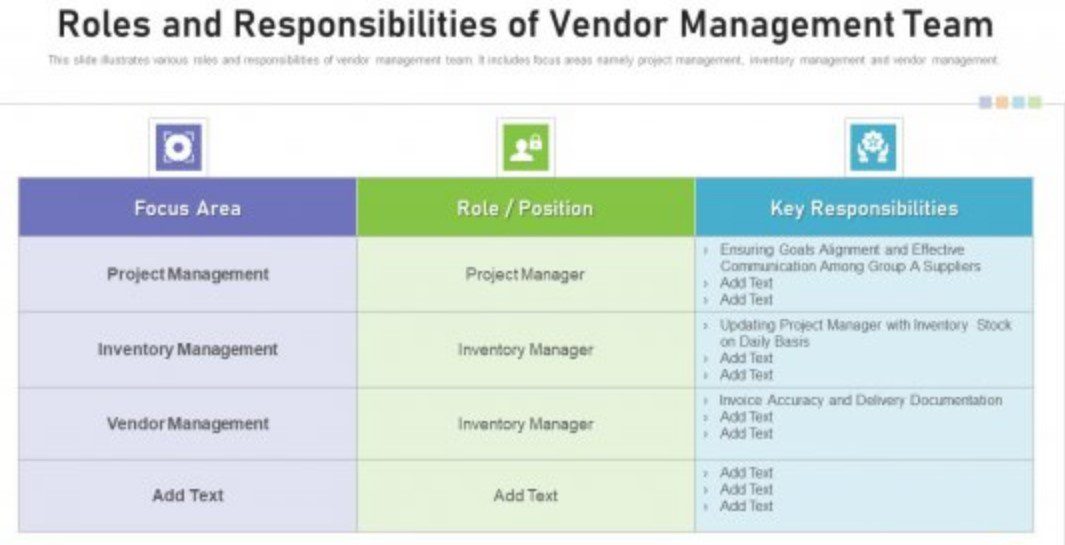
If your business deals with dozens of different vendors, you can consider creating a vendor management office (VMO) to manage relationships with vendors just like a project management office. This vendor management office will guide organziations throughout the vendor management lifecycle and enable IT leaders to be on top of vendor relationships. If your business only has a handful of vendors, you can hire a couple of people that will help you with vendor management. It depends on your business needs and varies from business to business.
Vendor Management Software
Managing dozens of different vendors manually can be a daunting challenge for businesses. That is where vendor management tools and software comes into play. These vendor management systems can not only help IT leaders but also assist vendor managers in managing everything from products, vendor management services, costs and contract details.
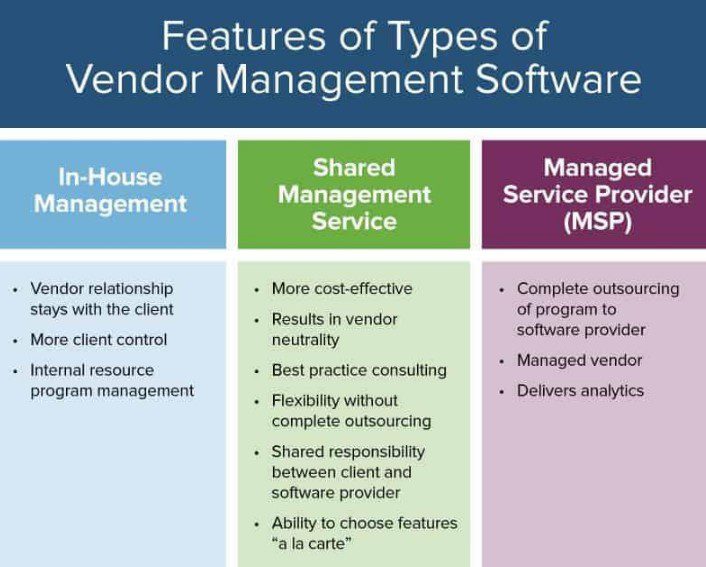
You can also generate and submit cost benefit analysis reports. Best of all, you can also find reviews and ratings of different vendors which can help you make the right decision with regards to vendor selection. Some even provide you with a list of preferred vendors. All this makes vendor selection a whole lot easier for businesses and saves a lot of their time and resources.
Vendor Management Certifications
Vendor management is a broad domain and you can only specialize in one specific domain at a time. There are many vendor management courses you can take to improve your skills. The same goes for vendor management certifications. If you want to specialize in vendor management risk assessment and mitigation then you should acquire Certified Third Party Risk Assessor and Certified Third Party Risk Professional certifications.
Those interested in contract management and relationship management should set their sights on the Supplier Relationship Management Certification Program or Supplier Relationship Management certification by the International Association for Contract and Commercial management.
How do you handle vendor management? Share your thoughts with us in the comments section below.
Frequently Asked Questions About Vendor Management

What is vendor management in simple terms?
Vendor management is the process of working with third-party suppliers to ensure cost savings, compliance, and strong partnerships.
What are the most common vendor management challenges?
The biggest challenges include poor visibility, compliance issues, payment risks, and vendor reputation concerns.
How do you manage vendors effectively?
Define clear goals, use a vendor management system, track performance, and regularly assess risks.
What is the difference between vendor management and project management?
Vendor management focuses on supplier relationships, while project management ensures successful project delivery. Both are often linked through a vendor management office (VMO).
What are vendor management best practices?
Best practices include transparent communication, compliance checks, automated systems, and strong relationship-building.

Featured Post

API Hosting: How It Works, Types and the Most Cost-Effective Solutions
API hosting refers to the process of deploying and making an Application Programming Interface (API) accessible over a network — usually the internet — so that […]

Sarmad Hasan
December 3, 2025

Top 10 Web Hosting Control Panels for 2026
In 2026, managing a web hosting environment has become more efficient and user-friendly, thanks to the evolving landscape of control panels. Whether you are running a […]
Sarmad Hasan
November 10, 2025
7 Key Takeaways From Barracuda’s MSP Customer Insight Report 2025
As cybersecurity threats evolve and IT environments become more complex, many organizations are turning to MSPs not just for cost savings or basic outsourcing but for […]
Sarmad Hasan
October 17, 2025